Week 6 / สัปดาห์ที่ 6

🥬 Vegetable Gardens & Raised Beds
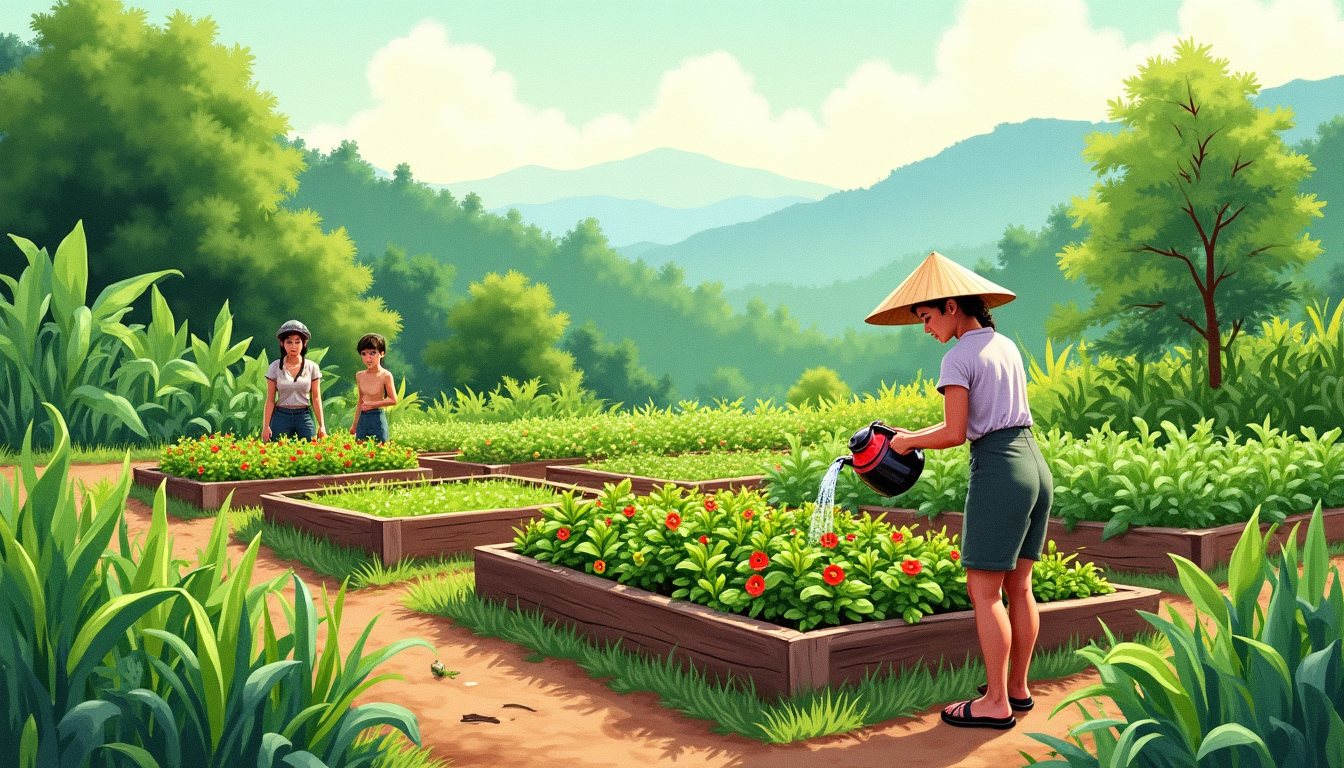
สวนผักและแปลงยกสูง
Vegetable Gardens & Raised Beds

📖 Introduction / บทนำ

English

Vegetable gardens are where permaculture gets personal — this is the food you eat every day! Raised beds are popular in Thailand because they improve drainage during the rainy season and keep soil loose and fertile. In this lesson, you will learn how to plan, build, and plant a productive vegetable garden using companion planting and seasonal timing.

ภาษาไทย

สวนผักคือจุดที่เพอร์มาคัลเจอร์ใกล้ตัวที่สุด — นี่คืออาหารที่คุณกินทุกวัน! แปลงยกสูงเป็นที่นิยมในไทยเพราะช่วยระบายน้ำในฤดูฝนและรักษาดินให้ร่วนซุย ในบทเรียนนี้ คุณจะเรียนรู้วิธีวางแผน สร้าง และปลูกสวนผักที่ให้ผลผลิตดีโดยใช้การปลูกพืชร่วมและจังหวะตามฤดูกาล

🌶️ Thailand grows over 70 varieties of chili pepper!
🌶️ ประเทศไทยปลูกพริกมากกว่า 70 สายพันธุ์!
🥬 Morning glory (ผักบุ้ง) can be harvested just 3 weeks after planting — one of the fastest vegetables!
🥬 ผักบุ้งสามารถเก็บเกี่ยวได้เพียง 3 สัปดาห์หลังปลูก — เป็นผักที่เร็วที่สุดชนิดหนึ่ง!

📚 Vocabulary / คำศัพท์

Click the 🔊 button to hear the pronunciation. / กดปุ่ม 🔊 เพื่อฟังการออกเสียง

seedling
ต้นกล้า
A young plant grown from a seed
transplant
ย้ายปลูก
To move a plant from one place to another
raised bed
แปลงยกสูง
A garden box filled with soil above ground level
spacing
ระยะห่าง
The distance between plants
weed
วัชพืช
An unwanted plant growing in the wrong place
pest
ศัตรูพืช
An insect or animal that damages crops
companion planting
การปลูกพืชร่วม
Growing plants together that help each other
trellis
ค้าง / โครงไม้
A frame for climbing plants to grow on
season
ฤดูกาล
A time of year (hot, rainy, cool in Thailand)
row
แถว
A straight line of planted seeds or seedlings
fertilize
ใส่ปุ๋ย
To add nutrients to help plants grow
harvest
เก็บเกี่ยว
To pick crops when they are ready to eat

📝 Grammar Focus: Giving Instructions with Sequence Words (First dig, then plant, finally water)

การให้คำแนะนำด้วยคำบอกลำดับ (First dig, then plant, finally water)

English
Sequence words show the order of steps: First, Second, Then, Next, After that, Finally. We use them to give clear instructions for gardening tasks.
ภาษาไทย
คำบอกลำดับ (Sequence words) แสดงลำดับขั้นตอน: First (อันดับแรก), Second (อันดับที่สอง), Then (จากนั้น), Next (ถัดไป), After that (หลังจากนั้น), Finally (สุดท้าย) ใช้ให้คำแนะนำงานสวนอย่างชัดเจน

Examples / ตัวอย่าง

First, prepare the soil by adding compost.
อันดับแรก เตรียมดินโดยเติมปุ๋ยหมัก
Then, dig small holes for the seedlings.
จากนั้น ขุดหลุมเล็กๆ สำหรับต้นกล้า
Next, place one seedling in each hole.
ถัดไป วางต้นกล้าหนึ่งต้นในแต่ละหลุม
After that, water the plants gently.
หลังจากนั้น รดน้ำต้นไม้อย่างเบามือ
Finally, add mulch around each plant.
สุดท้าย คลุมดินรอบต้นไม้แต่ละต้น

✏️ Section Check / ตรวจสอบความเข้าใจ

1. In which zone should you place a vegetable garden?
ควรวางสวนผักในโซนไหน?

2. Which is the correct sequence?
ลำดับใดถูกต้อง?

3. Which vegetable grows best in Thailand's cool season?
ผักชนิดใดเติบโตได้ดีในฤดูหนาวของไทย?

🎯 Tutorial Steps / ขั้นตอนการเรียนรู้

1
Choose Your Location
เลือกตำแหน่ง
English
Place your vegetable garden in Zone 1 (close to the kitchen). It needs 6+ hours of sunlight and easy access to water.
ภาษาไทย
วางสวนผักในโซน 1 (ใกล้ครัว) ต้องการแสงแดด 6+ ชั่วโมงและเข้าถึงน้ำได้ง่าย
2
Build a Raised Bed
สร้างแปลงยกสูง
English
First, build a frame 20–30 cm high using wood or bamboo. Then, fill it with a mix of garden soil, compost, and rice husks. Finally, water it well before planting.
ภาษาไทย
อันดับแรก สร้างกรอบสูง 20–30 ซม. ด้วยไม้หรือไม้ไผ่ จากนั้นเติมดินสวน ปุ๋ยหมัก และแกลบผสมกัน สุดท้าย รดน้ำให้ชุ่มก่อนปลูก
3
Plan Companion Planting
วางแผนการปลูกพืชร่วม
English
Some plants help each other: Basil repels pests from tomatoes. Marigolds attract beneficial insects. Lemongrass keeps mosquitoes away.
ภาษาไทย
พืชบางชนิดช่วยเหลือกัน: โหระพาไล่แมลงจากมะเขือเทศ ดาวเรืองดึงดูดแมลงมีประโยชน์ ตะไคร้ไล่ยุง
4
Plant According to Season
ปลูกตามฤดูกาล
English
Hot season (Mar–May): Eggplant, chili, okra. Rainy season (Jun–Oct): Morning glory, basil, cucumber. Cool season (Nov–Feb): Lettuce, carrot, cabbage.
ภาษาไทย
ฤดูร้อน (มี.ค.–พ.ค.): มะเขือ พริก กระเจี๊ยบ ฤดูฝน (มิ.ย.–ต.ค.): ผักบุ้ง โหระพา แตงกวา ฤดูหนาว (พ.ย.–ก.พ.): ผักกาดหอม แครอท กะหล่ำ
5
Harvest Regularly
เก็บเกี่ยวอย่างสม่ำเสมอ
English
Pick vegetables when they are ready — do not wait too long! Regular harvesting encourages the plant to produce more. Morning is the best time to harvest.
ภาษาไทย
เก็บผักเมื่อพร้อม — อย่ารอนานเกินไป! การเก็บเกี่ยวสม่ำเสมอช่วยให้พืชผลิตมากขึ้น ตอนเช้าเป็นเวลาที่ดีที่สุดในการเก็บเกี่ยว

🛠️ Hands-On Activity / กิจกรรมลงมือทำ

English

Write step-by-step instructions for planting morning glory (ผักบุ้ง) in a raised bed. Use at least 6 sequence words. Then draw a companion planting diagram showing 4 plants that grow well together.

ภาษาไทย

เขียนคำแนะนำทีละขั้นตอนสำหรับการปลูกผักบุ้งในแปลงยกสูง ใช้คำบอกลำดับอย่างน้อย 6 คำ จากนั้นวาดแผนภาพการปลูกพืชร่วมแสดงพืช 4 ชนิดที่เติบโตได้ดีด้วยกัน

📋 Reference Table / ตารางอ้างอิง

Topic / หัวข้อDetails / รายละเอียด
Hot Season / ฤดูร้อนMar–May: Chili, Eggplant, Okra, Corn
Rainy Season / ฤดูฝนJun–Oct: Morning glory, Basil, Cucumber
Cool Season / ฤดูหนาวNov–Feb: Lettuce, Carrot, Cabbage, Pea
Companion: Basil + TomatoBasil repels pests / โหระพาไล่แมลง
Companion: Marigold + VegetablesAttracts beneficial insects / ดึงดูดแมลงมีประโยชน์
Raised Bed Height20–30 cm ideal / สูง 20–30 ซม.

✅ Summary / สรุป

📝 Homework / การบ้าน

1. Write instructions for making a raised bed using 8 sequence words.
เขียนคำแนะนำทำแปลงยกสูงโดยใช้คำบอกลำดับ 8 คำ
2. Visit a local market and list 10 vegetables with their English names and seasons.
ไปตลาดท้องถิ่นและเขียนรายชื่อผัก 10 ชนิดพร้อมชื่อภาษาอังกฤษและฤดูกาล
3. Plan a companion planting layout for a 2×2 meter raised bed. Draw and label it.
วางแผนผังการปลูกพืชร่วมสำหรับแปลงยกสูง 2×2 เมตร วาดและติดป้าย