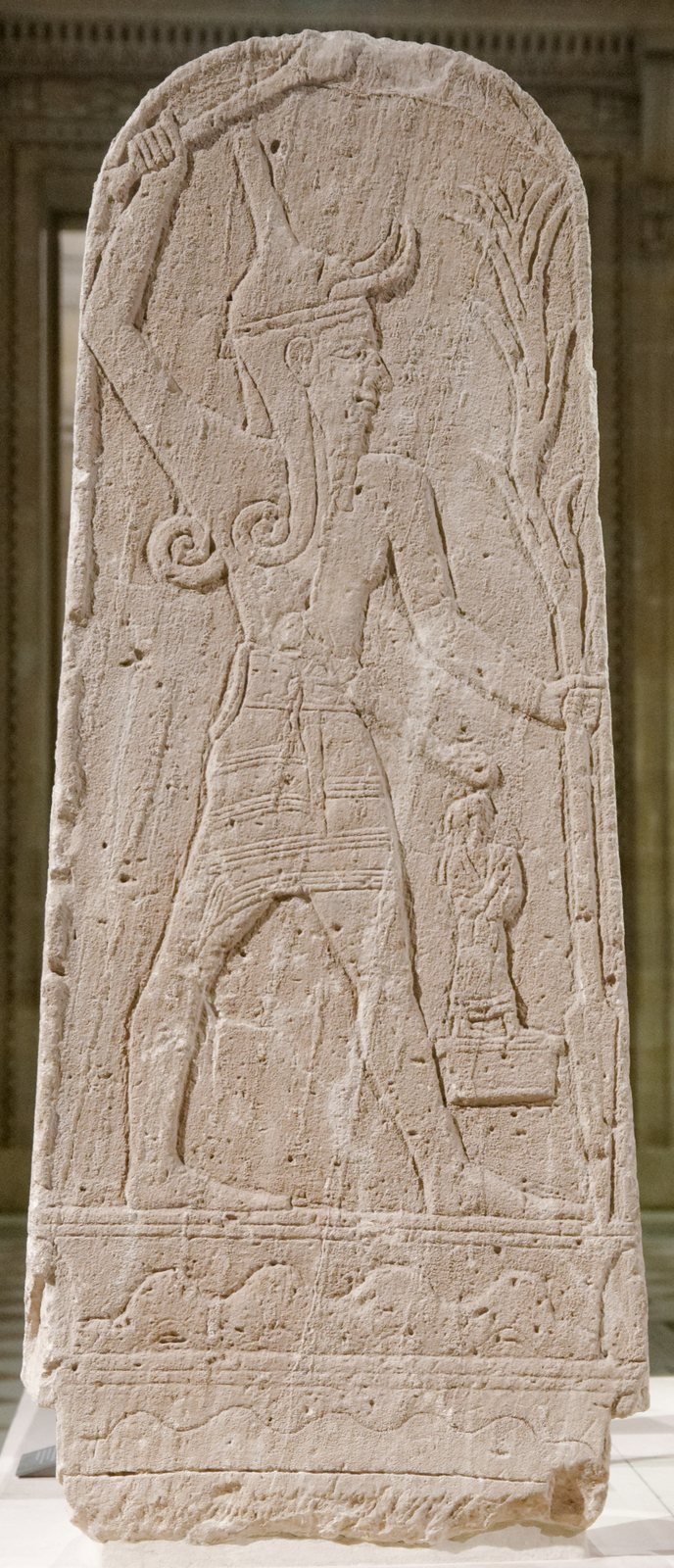
Before one God, there was a family of gods
Clay tablets from the city of Ugarit, written before 1200 BCE, describe a family of gods. El was the old father god. Asherah was his wife. Baal was the young storm god. The Bible grew up next door to this family.
乌加里特城的泥板写于公元前1200年以前,描述了一个神的家族:埃尔(El)是年老的父神,亚舍拉(Asherah)是他的妻子,巴力(Baal)是年轻的风暴神。《圣经》就是在这个神族的隔壁长大的。
แผ่นดินเหนียวจากเมืองอูการิต เขียนก่อน 1200 ปีก่อนคริสตกาล บรรยายครอบครัวของเทพเจ้า เอลคือบิดาผู้เฒ่า อาเชราห์คือภรรยาของเขา บาอัลคือเทพพายุหนุ่ม ไบเบิลเติบโตขึ้นข้าง ๆ ครอบครัวนี้
Three thousand years ago, the land we now call Israel, Lebanon and coastal Syria was Canaan. The people of Canaan did not have one god. They had a family of gods — a pantheon.
We know their names because of an accident. In 1928, a farmer in Syria hit a stone with his plough. Under it was the lost city of Ugarit, and inside the city was a library of clay tablets. The tablets, written before 1200 BCE, tell the stories of the gods of Canaan.
At the top sat El. His name simply means "god". He was old, wise and kind — the father of gods and people. His wife was Asherah, the mother goddess, "mother of the seventy gods". Their children did the active work. The most famous child was Baal, the storm god. His name means "Lord". He brought the rain, so he brought the harvest. Every year he fought the sea, and death, and won.
Click the names below to meet the family.
Click a god's name above to read about them.
The tablets are real objects you can see in museums in Damascus, Aleppo and Paris. They name El as the head of the gods, Asherah as his wife, and Baal as the storm god. This is the clearest picture we have of the religion of Canaan — the world the Bible grew up in.
- The Canaanite gods worked like a family: an old father, a mother, active children, and servants. Why do you think people imagined their gods as a family?
- China also had many gods — a kitchen god, a rain god, city gods. What jobs did gods do for ordinary people, in China or in Canaan?
- A farmer's plough found Ugarit by accident. How much of history do you think is still under the ground, waiting?
El never left. He is hiding inside the words
The name of the old god El is still inside many famous words: Isra-el, Beth-el, Micha-el, Gabri-el. The Hebrew word for God, Elohim, is built from El too. Later, the name of Yahweh hid inside other names, like Elijah, Hallelujah and John.
老神埃尔(El)的名字至今藏在许多著名的词里:以色列(Isra-el)、伯特利(Beth-el)、米迦勒(Micha-el)、加百列(Gabri-el)。希伯来语的"上帝"一词 Elohim 也是从 El 来的。后来,雅威(Yahweh)的名字也藏进了别的名字里,比如以利亚(Elijah)、哈利路亚(Hallelujah)和约翰(John)。
ชื่อของเทพองค์เก่าเอลยังอยู่ในคำที่มีชื่อเสียงหลายคำ: อิสรา-เอล เบธ-เอล มีคา-เอล กาบรี-เอล คำฮีบรูที่แปลว่าพระเจ้า "เอโลฮิม" ก็สร้างจากเอลเช่นกัน ต่อมาชื่อของยาห์เวห์ก็ซ่อนอยู่ในชื่ออื่นด้วย เช่น เอลียาห์ ฮาเลลูยาห์ และจอห์น
Old gods do not always die. Sometimes they hide inside words.
In Hebrew, el means "god" — and it was also the personal name of the old father god. So when you see El at the start or end of a Hebrew name, you are often looking at him. Isra-el means "he struggles with El". Beth-el means "house of El". The angels Micha-el and Gabri-el carry his name too.
The everyday Hebrew word for God in the Bible, Elohim, is also built from El. Its shape is plural — like "gods" — and on the Ugarit tablets the same word meant the whole family of gods, "the children of El". In the Bible it usually takes a singular verb and means the one God. The old family word stayed; its meaning changed.
Later, a second divine name — Yah, the short form of Yahweh — began hiding inside names as well. Try the machine below. Click a name and see who is inside it.
Click a name above. The machine will split it into its Hebrew parts.
This is not a theory. El = god. Beth = house. Yah = short form of Yahweh. Hebrew builds names from these small parts, the same way Chinese builds names from characters. Anyone who reads Hebrew can check every split in the machine above.
- Millions of people are called Michael, Daniel, Gabriel or John, and most do not know a god's name is inside. Does a name keep its meaning if nobody remembers it?
- Chinese names are also built from meaningful parts. What does your Chinese name mean, and who chose it for you?
- If you found out your own name contained the name of an old god, would you feel different about it? Why or why not?
Yahweh was not from Canaan
Yahweh is not in the family of gods at Ugarit. The oldest trace of his name is Egyptian, from about 1400 BCE, and it points to the desert south of Canaan. Old songs in the Bible also say Yahweh "marches up from Edom", in the south. Many scholars think desert traders carried this god north.
雅威(Yahweh)不在乌加里特的神族名单里。他名字最早的痕迹是埃及文字,约公元前1400年,指向迦南以南的沙漠。《圣经》里最古老的诗歌也说雅威"从以东走上来"——以东在南方。许多学者认为,是沙漠商队把这位神带到了北方。
ยาห์เวห์ไม่อยู่ในรายชื่อเทพที่อูการิต ร่องรอยแรกสุดของพระนามคืออักษรอียิปต์ราว 1400 ปีก่อนคริสตกาล ชี้ไปยังทะเลทรายทางใต้ของคานาอัน เพลงเก่าแก่ในไบเบิลก็บอกว่ายาห์เวห์ "เดินทัพขึ้นมาจากเอโดม" ทางใต้ นักวิชาการหลายคนคิดว่าพ่อค้าทะเลทรายนำพระองค์ขึ้นเหนือ
Here is the strange thing. The god of the Bible — Yahweh — is not in the family at Ugarit. The tablets never name him. He came from somewhere else.
The oldest trace of his name is not in the Bible. It is in Egypt. A temple list from about 1400 BCE names "the Shasu of Yhw" — desert wanderers who lived in the dry lands south of Canaan, near Edom and Midian. The name of their land, or their god, sounds like Yahweh.
The Bible itself remembers the south. Its oldest songs say Yahweh "marches up from Edom" and comes "from Sinai", with the earth shaking and rain falling. In the story of Moses, Yahweh first speaks from a burning bush in Midian — the same southern desert.
So many scholars tell this story: Yahweh began as a storm-and-war god of the southern desert. Traders and herders carried him north into Canaan. There, the people of the hills — the first Israelites — made him their own.
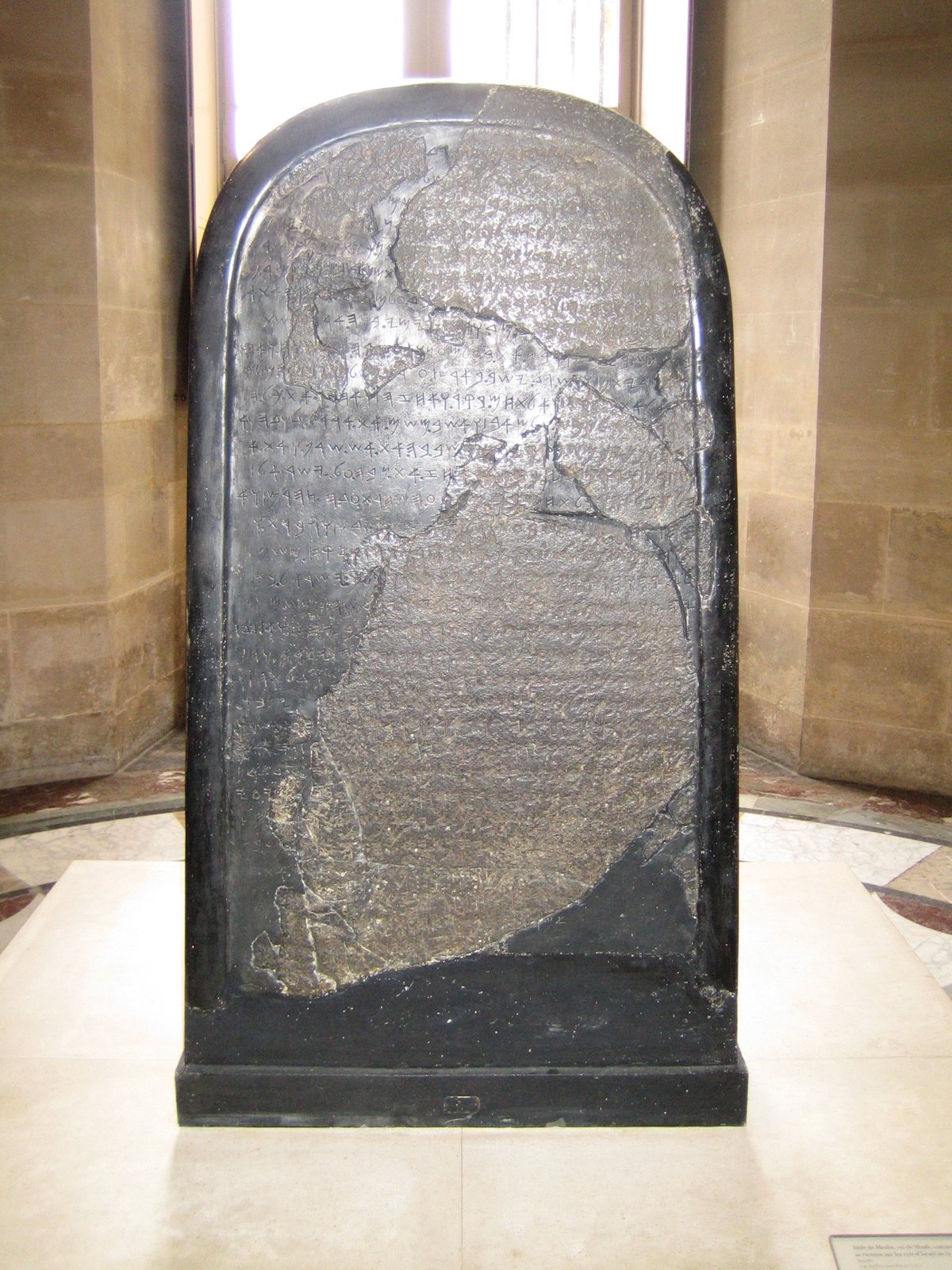
The Mesha Stele · about 840 BCE. A king of Moab, Israel's neighbour, wrote this stone to boast about a war. Line 18 contains the oldest clear mention of Yahweh outside the Bible: the king says he took "the vessels of Yahweh" from an Israelite town.
By 840 BCE, then, Yahweh was the god of Israel — even Israel's enemies said so. Louvre, Paris.
The Egyptian "Shasu of Yhw" text is real, and the old songs really point south. But the jump from these clues to "Yahweh came from the southern desert" is a theory. Most scholars accept some form of it. Some do not. The honest sentence is: the clues point south, and the case is strong but not closed.
The Bible explains the name as "I am that I am". Most modern scholars think this is a later wordplay, made after the first meaning was forgotten. One popular theory links the name to a verb meaning "he causes to be" — the one who makes things exist. Nobody knows for sure.
- The oldest evidence for Yahweh is Egyptian, and the oldest stone naming him was written by Israel's enemy. Why is an enemy's evidence sometimes the best evidence?
- Yahweh was an outside god who became the local god. Can you think of ideas, foods or festivals that came to China from outside and became completely Chinese?
- A god of the empty desert became the god of farms and cities. What changes when a god moves house?
Yahweh takes El's chair — and Baal's thunder
At first, El and Yahweh were different gods. Slowly, Israel decided they were the same god. Yahweh took El's chair as father of the world, kept El's old titles, and also took Baal's job: riding the clouds and bringing the storm. Many gods slowly became one God.
起初,埃尔(El)和雅威(Yahweh)是不同的神。渐渐地,以色列人认定他们是同一位神。雅威坐上了埃尔"世界之父"的宝座,保留了埃尔的旧头衔,还接管了巴力的工作——驾云、降雨、掌管风暴。许多神慢慢合成了一位God。
ตอนแรกเอลกับยาห์เวห์เป็นคนละองค์ ช้า ๆ อิสราเอลก็ตัดสินว่าทั้งสองคือพระเจ้าองค์เดียวกัน ยาห์เวห์นั่งบัลลังก์ของเอลในฐานะบิดาของโลก เก็บสมัญญาเก่าของเอลไว้ และรับงานของบาอัลด้วย: ขี่เมฆและนำพายุ เทพหลายองค์ค่อย ๆ กลายเป็นพระเจ้าองค์เดียว
So Canaan's hills now had two chief gods: old El, and the newcomer Yahweh. What happened next is the birth of Western religion. Israel decided they were the same god.
The Bible itself says it. In Exodus, God tells Moses: "I appeared to Abraham as El Shaddai, but by my name Yahweh I was not known to them." The old family stories used El's names; the new faith used Yahweh's. This verse glues them together: same god, two names.
One early poem still shows the seam. In Deuteronomy 32, in the oldest copies — the Dead Sea Scrolls and the old Greek Bible — Elyon ("the Highest", a title of El) divides the world's peoples among his divine sons, and Yahweh receives Israel as his share. Two gods, father and son. Later Hebrew copies quietly changed "sons of God" to "sons of Israel", and the seam disappeared.
Yahweh also took Baal's job. In the Psalms he "rides on the clouds" — Baal's exact title at Ugarit. He fights the sea monster Leviathan — at Ugarit, Baal fights the sea serpent Lotan, the same name in an older form. The storm god's thunder moved into Yahweh's hands.
Monotheism did not fall from the sky in one piece. It was built — name by name, title by title, job by job.
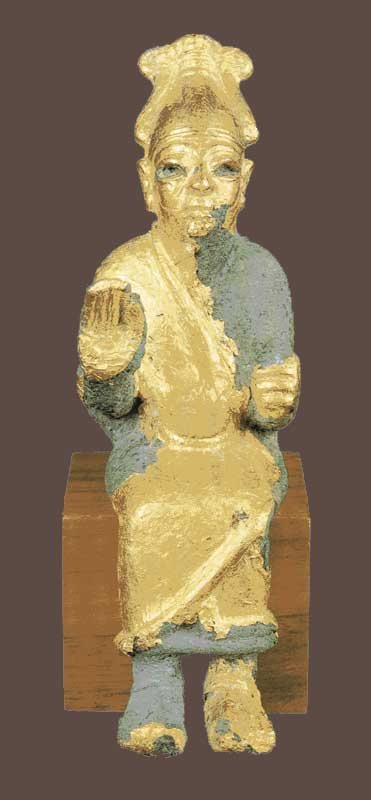
The god El, seated, hand raised in blessing. This is what the old father god looked like to the people who worshipped him: a small figure of a calm old king on a chair.
His chair did not stay empty. His names — El Shaddai, El Elyon, Elohim — moved to Yahweh, and the Bible kept them all. When English Bibles say "God Almighty", they are translating El Shaddai: the old god's title, still in use.
The scroll 4QDeut-j from the Dead Sea reads "according to the number of the sons of God". The later standard Hebrew text reads "sons of Israel". The old Greek translation agrees with the scroll. The change is a fact you can check in photographs of the scroll.
Scholars like Mark S. Smith describe a slow "convergence": El and Yahweh merge, and Yahweh absorbs Baal's storm powers. This is the mainstream reading of the evidence, but it is a story built from the evidence — not itself an object in a museum. Believers tell a different story: one God, revealed step by step. The evidence above is shared; the meaning is not.
- "Same god, new name" made two religions into one. Is joining gods together a trick, or wisdom, or both?
- Scribes changed "sons of God" to "sons of Israel", and the old story vanished for two thousand years. Who has the power to edit a holy book — and should anyone?
- The scholars' story and the believers' story use the same facts. Can both be right at the same time? What would you need to know to choose?
"Yahweh… and his Asherah"
Ordinary Israelites kept the old gods for centuries. Desert inscriptions from about 800 BCE bless people "by Yahweh and his Asherah" — the old mother goddess, now next to Yahweh. Kings put her statue in the temple; prophets like Elijah fought Baal; King Josiah threw the old gods out. Only one name was left.
普通以色列人把旧神保留了几百年。约公元前800年的沙漠铭文用"雅威和他的亚舍拉"为人祝福——旧的母神站到了雅威身旁。有的国王把她的神像放进圣殿;先知以利亚与巴力争战;约西亚王把旧神全部清出。最后只剩下一个名字。
ชาวอิสราเอลธรรมดาเก็บเทพองค์เก่าไว้อีกหลายศตวรรษ จารึกทะเลทรายราว 800 ปีก่อนคริสตกาลอวยพร "โดยยาห์เวห์และอาเชราห์ของพระองค์" — เทพมารดาองค์เก่ามายืนข้างยาห์เวห์ กษัตริย์บางองค์ตั้งรูปของนางในวิหาร ผู้เผยพระวจนะอย่างเอลียาห์สู้กับบาอัล กษัตริย์โยสิยาห์นำเทพเก่าออกไปจนหมด เหลือเพียงชื่อเดียว
The Bible tells us Israel worshipped one God. Archaeology tells us ordinary people took centuries to agree.
In the 1970s, diggers found a desert rest-stop called Kuntillet Ajrud, from about 800 BCE. On big storage jars, travellers wrote blessings — and the blessings say: "I bless you by Yahweh of Samaria and his Asherah." The old mother goddess, El's wife, standing beside Yahweh like a queen beside a king.
The Bible agrees, in its angry way. It says an Asherah statue stood inside Yahweh's own temple in Jerusalem for years. It says Queen Jezebel brought hundreds of prophets of Baal to court, and the prophet Elijah — "my El is Yah"! — fought them on a mountain. Around 620 BCE, King Josiah dragged the Asherah out of the temple, burned it, and closed the old altars.
Prophets preached against Baal for three hundred years. You only preach that long against something people are actually doing. The old family of gods died slowly, one funeral at a time.
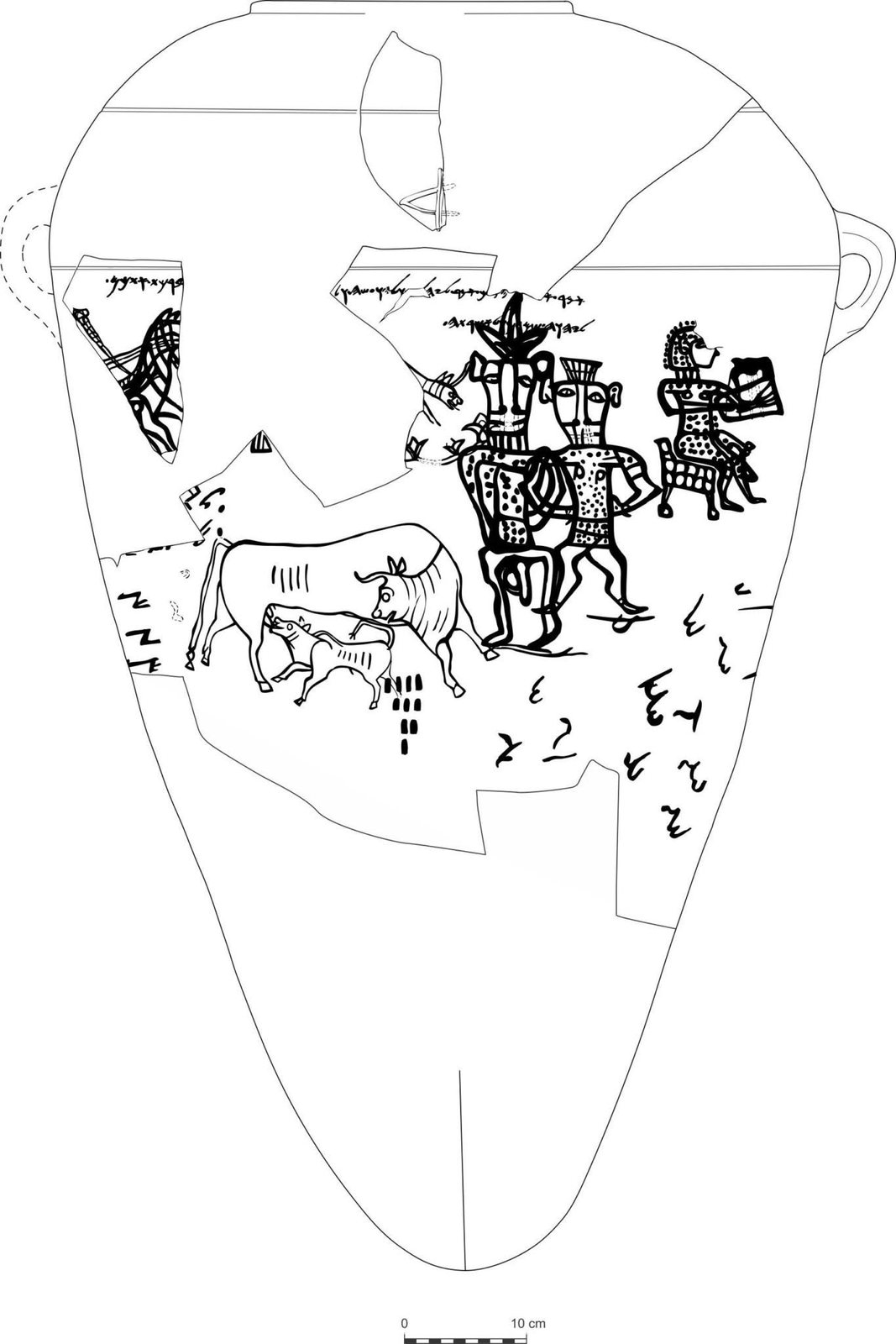
The inscriptions are real and the reading "Yahweh and his Asherah" is secure. The fight is over the meaning. Some scholars say: the goddess, Yahweh's partner. Others say: "asherah" here is a sacred wooden pole, an object, not a person. Many say: the pole was the goddess's symbol, so the difference is small. The jars cannot answer; they only bless.
- The official religion said one thing; ordinary families did another for centuries. Where do you see that gap — between official belief and family practice — in the world today?
- The mother goddess was pushed out of Western religion. What do you think a religion loses when it loses its mother?
- King Josiah burned the old statues to purify the faith. When is destroying religious objects cleansing, and when is it vandalism?
Four letters, and a silence around them
Jews slowly stopped saying the name Yahweh out loud. They wrote its four letters, YHWH, but said "Adonai" — "my Lord" — instead. After the temple fell in 70 CE, the true sound of the name was forgotten. Centuries later, Christian readers mixed the letters of YHWH with the vowels of Adonai and invented a word that never existed: "Jehovah".
犹太人渐渐不再把"雅威"读出声。他们写下四个字母 YHWH,读的时候却说"Adonai"(我的主)。公元70年圣殿被毁后,这个名字的真正读音被遗忘了。几百年后,基督教读者把 YHWH 的字母和 Adonai 的元音混在一起,造出了一个从未存在过的词:"耶和华"(Jehovah)。
ชาวยิวค่อย ๆ เลิกเอ่ยชื่อยาห์เวห์ออกเสียง พวกเขาเขียนอักษรสี่ตัว YHWH แต่อ่านว่า "อาโดนาย" — องค์พระผู้เป็นเจ้าของข้า — แทน หลังวิหารถูกทำลายในปี ค.ศ. 70 เสียงที่แท้จริงของพระนามก็ถูกลืม หลายศตวรรษต่อมา ผู้อ่านชาวคริสต์ผสมอักษรของ YHWH กับสระของอาโดนาย เกิดเป็นคำที่ไม่เคยมีอยู่จริง: "เยโฮวาห์"
The most important name in Western religion is four Hebrew letters: YHWH. And for two thousand years, almost nobody has said it.
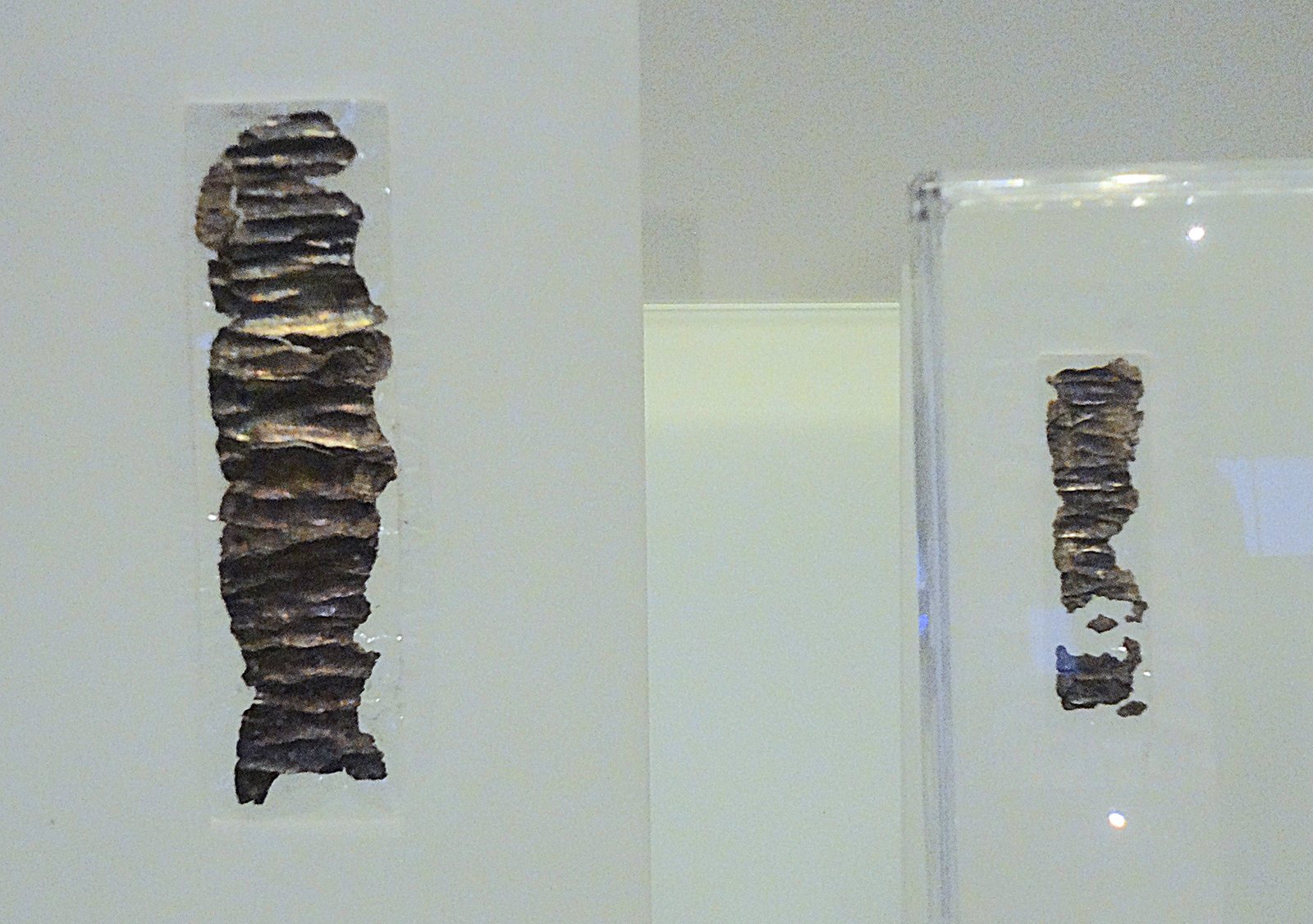
In early Israel, the name was ordinary. People said it in greetings and wrote it in letters. The silver good-luck scrolls in the picture below, from about 600 BCE, carry it — the oldest words of the Bible on any object we have.
Then the silence grew. The commandment said: do not misuse the name. To be safe, people stopped using it at all. By about 200 BCE, only the High Priest said the name, once a year, inside the temple in Jerusalem. In 70 CE the Romans burned the temple, and the sound of the name went out like a candle. The letters stayed; the vowels were forgotten.
When Jews read the Bible aloud, they see YHWH and say Adonai — "my Lord". In everyday talk, even that is too holy, so they say HaShem — simply, "the Name".
Centuries later, this careful system produced a famous mistake. Medieval Hebrew Bibles wrote the letters of YHWH with the vowel marks of Adonai, as a reminder: say Adonai here. Christian readers did not know the code. Around 1520 they read letters and vowels together, as one word — and got "Jehovah". In 1530, William Tyndale printed it in the first English Exodus. The word spread across the world. It is a reading mistake, about five hundred years old.
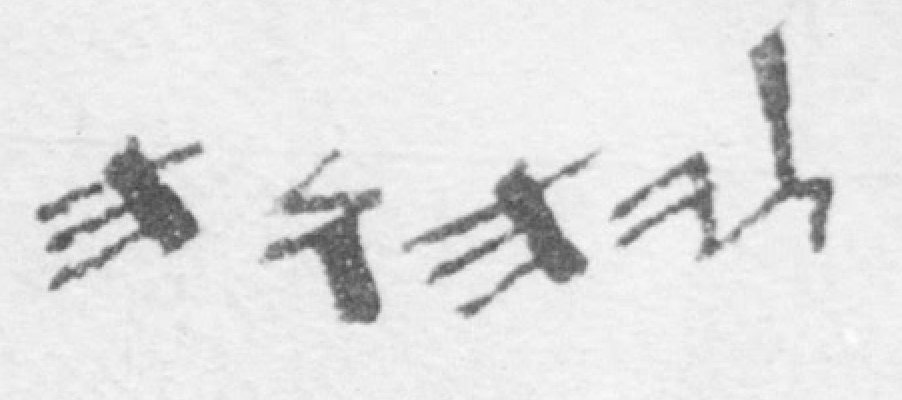
The consonants of YHWH plus the vowels of Adonai make "YeHoWaH". No ancient person ever said this word. It appears in Christian books from the early 1500s and entered English in Tyndale's 1530 translation. Scholars today think the original sound was probably "Yahweh" — but that is a careful guess, not a recording.
- In old China, the personal name of the emperor was taboo — writers even changed characters to avoid it. Why do people in such different places treat great names as dangerous?
- Is a forgotten name lost, or protected? Would you rather your own name were said everywhere, or kept carefully by a few people?
- "Jehovah" began as a mistake, but millions of people have prayed with it sincerely. Does a word's wrong birth matter, if it carries real feeling now?
How YHWH became "the LORD", and a pagan word became "God"
The Greek Bible translated YHWH as "Kyrios", Lord, and Elohim as "Theos", God. The Latin Bible followed with "Dominus" and "Deus". The New Testament then gave the title Kyrios to Jesus. In northern Europe, translators used the local pagan word for divine beings — and that word, in English, is "God".
希腊语《圣经》把 YHWH 译成"Kyrios"(主),把 Elohim 译成"Theos"(神)。拉丁语《圣经》跟着用"Dominus"和"Deus"。《新约》又把"Kyrios"这个称号给了耶稣。在北欧,翻译者用了当地异教语言里表示神灵的词——这个词在英语里就是"God"。
ไบเบิลภาษากรีกแปล YHWH เป็น "คีริออส" (องค์พระผู้เป็นเจ้า) และแปลเอโลฮิมเป็น "เธออส" (พระเจ้า) ไบเบิลละตินใช้ "โดมินุส" กับ "เดอุส" ตาม พันธสัญญาใหม่มอบตำแหน่งคีริออสให้พระเยซู ส่วนในยุโรปเหนือ นักแปลใช้คำนอกรีตท้องถิ่นที่หมายถึงสิ่งศักดิ์สิทธิ์ — คำนั้นในภาษาอังกฤษคือ "God"
Around 250 BCE, Jews in Egypt began translating the Bible into Greek. They faced a problem: what do you do with a name nobody says?
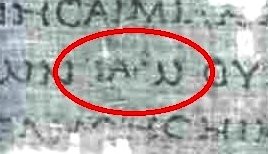
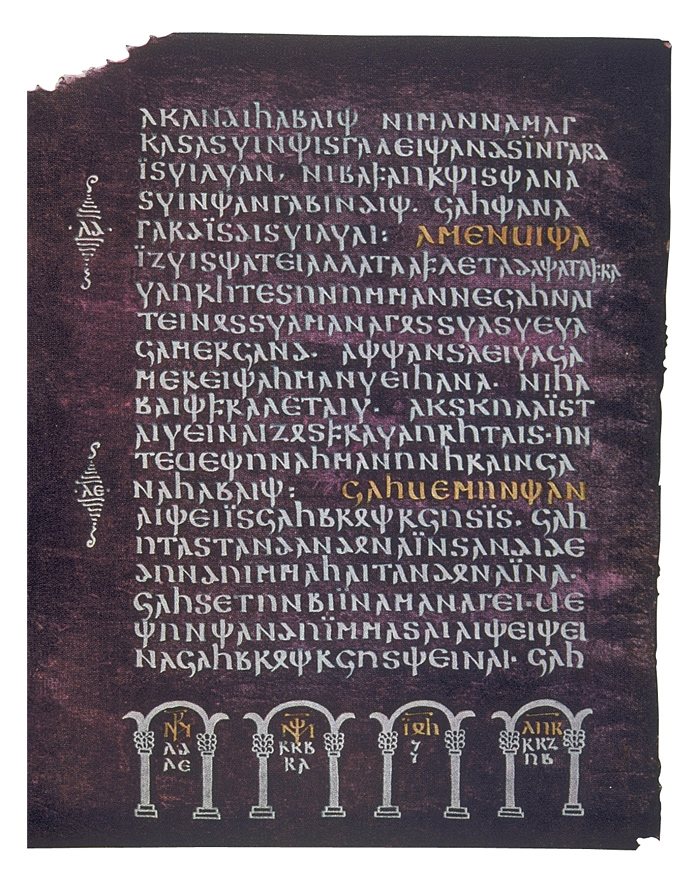
Their answer shaped everything after. Since readers already said "my Lord" for YHWH, most Greek copies wrote Kyrios — "Lord". For Elohim they wrote Theos — "God". A few very early copies did something braver: they wrote the name itself, in Greek letters, as ΙΑΩ ("Iao") — you can see one in the picture below. But "Lord" won.
The choice had giant consequences. The first Christians wrote in Greek, and they gave the title Kyrios to Jesus. "Jesus Christ is Lord" uses exactly the word that stood in place of YHWH. In one Greek word, the God of Israel and a man from Galilee were joined. Around 400 CE, Jerome's Latin Bible followed the same path: Dominus for the name, Deus for God.
Then the Bible moved north, into lands with other gods. Around 350 CE, bishop Wulfila translated it for the Goths. For Theos he did not import a Hebrew or Greek word. He used his own people's old word for divine beings: guþ. English translators later did the same. Their word — from a pagan root meaning perhaps "the one called upon", or "the one who receives offerings" — is God.
So the English sentence "the LORD God" contains no Hebrew name at all. It is a chain of careful replacements, two thousand years long. Walk through the chain below.
Click a stage above to see how the divine names were written and spoken there.
"God" comes from Old English god, from an older Germanic word *gudą. Before Christianity it was a neuter word for divine powers in general. When the Germanic peoples became Christian, the word changed grammar — from neuter to masculine — to fit the new, personal God. Every etymological dictionary agrees on the family tree; only the deepest root ("poured" vs "invoked") is argued.
You can read this chain two ways. One: something essential was lost — the personal name of God was replaced by titles from other languages and even other religions. Two: something essential was carried — each people received God in its own words, which is why the faith could travel. Both readings use the same chain. Choose after you can explain both.
- Chinese Bibles argued for a century about how to translate "God": 上帝 (Shangdi, an ancient Chinese title) or 神 (shen, spirit)? Which choice do you think was wiser — and is it the same choice Wulfila made?
- "Jesus Christ is Lord" borrowed the word that stood for YHWH. How much can one word carry? Can a translation change a religion?
- When a word crosses into a new language, it takes new passengers — old meanings from its new home. What English words do you use that carry hidden Chinese meanings, or Chinese words with hidden English ones?
Say the words out loud
Eighteen terms this page uses, with pronunciation, meaning and an example sentence. Listen and Repeat drills them one at a time. Speaking drill opens the microphone and checks your pronunciation.
本页用到的十八个词,附发音、释义和例句。点"跟读"可逐词练习,点"口语练习"会打开麦克风检查发音。
คำศัพท์สิบแปดคำที่ใช้ในหน้านี้ พร้อมคำอ่าน ความหมาย และประโยคตัวอย่าง กดปุ่มฟังแล้วพูดตามเพื่อฝึกทีละคำ หรือกดฝึกพูดเพื่อเปิดไมโครโฟนตรวจการออกเสียง
This page has its own vocabulary, and every word is doing real work. These are the terms used above, with what each one means.
Listen & Repeat reads each word and then waits for you to say it back. Speaking drill turns on the microphone and checks whether the words came out clearly. On each card, say it reads the word, and tell me more opens a fuller explanation and a sentence to try.
🎤 Speaking drill — set 1 of 4
Press the microphone, then say all the words in the set out loud.