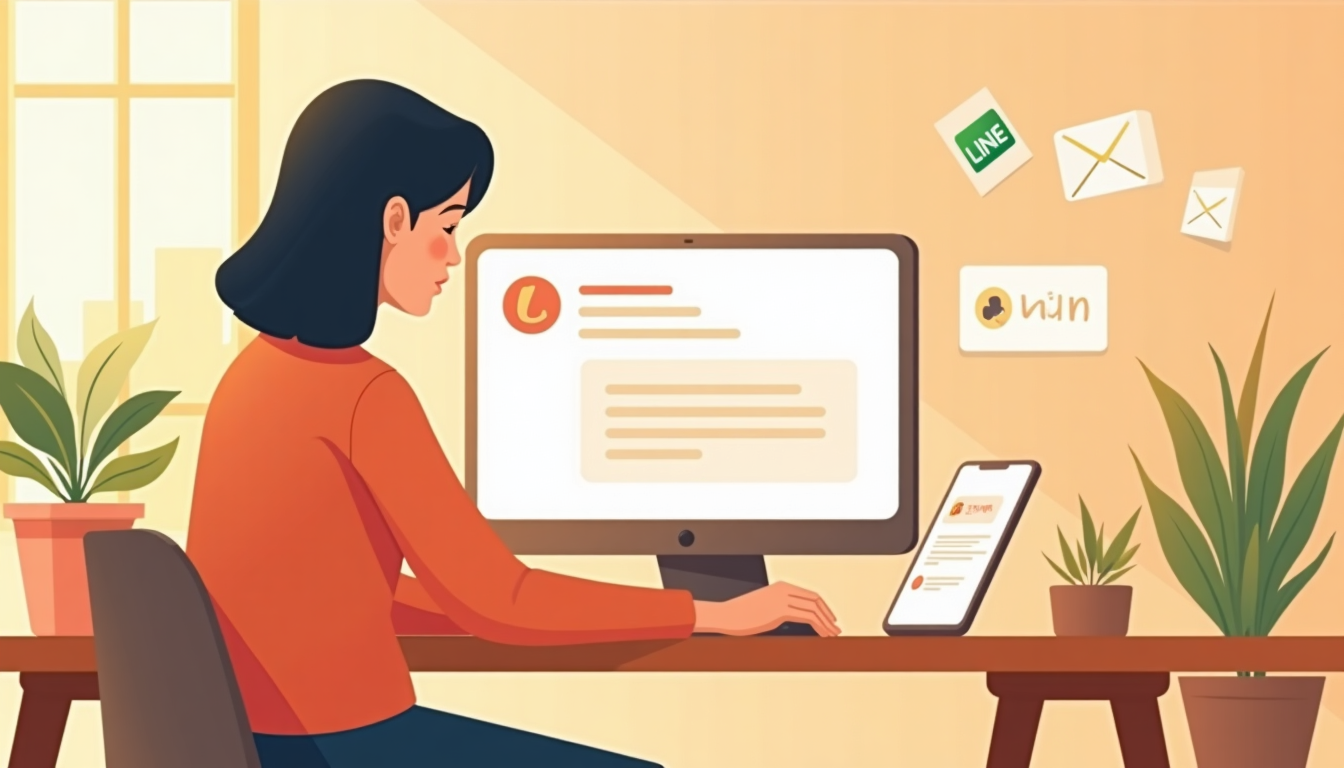
📧 Emails & Messages — āļ­āļĩāđ€āļĄāļĨāđāļĨāļ°āļ‚āđ‰āļ­āļ„āļ§āļēāļĄ

English for Everyday Life & Work — āļ āļēāļĐāļēāļ­āļąāļ‡āļāļĪāļĐāļŠāļģāļŦāļĢāļąāļšāļŠāļĩāļ§āļīāļ•āļ›āļĢāļ°āļˆāļģāļ§āļąāļ™āđāļĨāļ°āļāļēāļĢāļ—āļģāļ‡āļēāļ™

Week 8 · Present Simple questions + Wh-words · Pre-A1 → A1

Emails & Messages

🎯 āļ­āļĩāđ€āļĄāļĨāđāļĨāļ°āļ‚āđ‰āļ­āļ„āļ§āļēāļĄ
What is Emails & Messages?

🇹🇭 āļ āļēāļĐāļēāđ„āļ—āļĒ

āļ­āļĩāđ€āļĄāļĨāđ€āļ›āđ‡āļ™āđ€āļ„āļĢāļ·āđˆāļ­āļ‡āļĄāļ·āļ­āļŠāļ·āđˆāļ­āļŠāļēāļĢāļ—āļĩāđˆāļŠāļģāļ„āļąāļāđƒāļ™āļāļēāļĢāļ—āļģāļ‡āļēāļ™ āļŠāļąāļ›āļ”āļēāļŦāđŒāļ™āļĩāđ‰āđ€āļĢāļēāļˆāļ°āđ€āļĢāļĩāļĒāļ™āļ§āļīāļ˜āļĩāđ€āļ‚āļĩāļĒāļ™āļ­āļĩāđ€āļĄāļĨāļ­āļĒāđˆāļēāļ‡āļ‡āđˆāļēāļĒ āđāļĨāļ°āđ€āļĢāļĩāļĒāļ™āļ§āļīāļ˜āļĩāļ–āļēāļĄāļ„āļģāļ–āļēāļĄāļ”āđ‰āļ§āļĒ Wh-words: What (āļ­āļ°āđ„āļĢ), When (āđ€āļĄāļ·āđˆāļ­āđ„āļĢ), Where (āļ—āļĩāđˆāđ„āļŦāļ™), Who (āđƒāļ„āļĢ), Why (āļ—āļģāđ„āļĄ), How (āļ­āļĒāđˆāļēāļ‡āđ„āļĢ) āđƒāļ™ Present Simple āļ•āđ‰āļ­āļ‡āđƒāļŠāđ‰ "do/does" āļŠāđˆāļ§āļĒāļ–āļēāļĄ: "What do you want?" "When does the meeting start?" "Where do you work?"

🇬🇧 English

Email is an important communication tool at work. This week, we learn to write simple emails and ask questions with Wh-words: What, When, Where, Who, Why, How. In Present Simple questions, we need "do/does": "What do you want?" "When does the meeting start?" "Where do you work?"

🤩 Fun Facts — āļ‚āđ‰āļ­āđ€āļ—āđ‡āļˆāļˆāļĢāļīāļ‡āļ™āđˆāļēāļĢāļđāđ‰

🔹 The first email was sent in 1971 — over 50 years ago!
āļ­āļĩāđ€āļĄāļĨāļ‰āļšāļąāļšāđāļĢāļāļ–āļđāļāļŠāđˆāļ‡āđƒāļ™āļ›āļĩ 1971 — āđ€āļĄāļ·āđˆāļ­āļāļ§āđˆāļē 50 āļ›āļĩāļ—āļĩāđˆāđāļĨāđ‰āļ§!

🔹 Over 300 billion emails are sent every day worldwide.
āļ­āļĩāđ€āļĄāļĨāļ–āļđāļāļŠāđˆāļ‡āļĄāļēāļāļāļ§āđˆāļē 300,000 āļĨāđ‰āļēāļ™āļ‰āļšāļąāļšāļ—āļļāļāļ§āļąāļ™āļ—āļąāđˆāļ§āđ‚āļĨāļ

🔹 In Thailand, LINE is more popular than email for personal messages.
āđƒāļ™āļ›āļĢāļ°āđ€āļ—āļĻāđ„āļ—āļĒ LINE āđ€āļ›āđ‡āļ™āļ—āļĩāđˆāļ™āļīāļĒāļĄāļĄāļēāļāļāļ§āđˆāļēāļ­āļĩāđ€āļĄāļĨāļŠāļģāļŦāļĢāļąāļšāļ‚āđ‰āļ­āļ„āļ§āļēāļĄāļŠāđˆāļ§āļ™āļ•āļąāļ§

🔹 "Dear" in an email is formal. "Hi" is informal. Both are correct!
"Dear" āđƒāļ™āļ­āļĩāđ€āļĄāļĨāđ€āļ›āđ‡āļ™āļ—āļēāļ‡āļāļēāļĢ "Hi" āđ„āļĄāđˆāđ€āļ›āđ‡āļ™āļ—āļēāļ‡āļāļēāļĢ āđƒāļŠāđ‰āđ„āļ”āđ‰āļ—āļąāđ‰āļ‡āļ„āļđāđˆ!

🧪 Quick Check — āļ•āļĢāļ§āļˆāļŠāļ­āļšāļ”āđˆāļ§āļ™

Test your understanding — āļ—āļ”āļŠāļ­āļšāļ„āļ§āļēāļĄāđ€āļ‚āđ‰āļēāđƒāļˆ

0/3

What is "send" in Thai?

"send" āđāļ›āļĨāļ§āđˆāļēāļ­āļ°āđ„āļĢ?

āļŠāđˆāļ‡
āļ­āđˆāļēāļ™
āđ€āļ‚āļĩāļĒāļ™
āļ‚āđ‰āļ­āļ„āļ§āļēāļĄ
"send" = āļŠāđˆāļ‡

Which is the definition of "read"?

āļ„āļģāļ™āļīāļĒāļēāļĄāļ‚āļ­āļ‡ "read" āļ„āļ·āļ­āļ‚āđ‰āļ­āđƒāļ”?

To look at and understand written words.
To put words on paper or a screen.
To make a message go to another person.
None of the above
"read" (āļ­āđˆāļēāļ™): To look at and understand written words.

Which grammar topic are we studying this week?

āđ€āļĢāļēāđ€āļĢāļĩāļĒāļ™āļŦāļąāļ§āļ‚āđ‰āļ­āđ„āļ§āļĒāļēāļāļĢāļ“āđŒāļ­āļ°āđ„āļĢāļŠāļąāļ›āļ”āļēāļŦāđŒāļ™āļĩāđ‰?

Present Simple questions + Wh-words
Future Perfect
Past Perfect Continuous
Subjunctive Mood
This week we study: Present Simple questions + Wh-words

📚 āļ„āļģāļĻāļąāļžāļ—āđŒāļŠāļģāļ„āļąāļ
Key Vocabulary

send
āļŠāđˆāļ‡
To make a message go to another person.
read
āļ­āđˆāļēāļ™
To look at and understand written words.
write
āđ€āļ‚āļĩāļĒāļ™
To put words on paper or a screen.
message
āļ‚āđ‰āļ­āļ„āļ§āļēāļĄ
Written words sent to someone.
reply
āļ•āļ­āļšāļāļĨāļąāļš
To answer a message.
meeting
āļāļēāļĢāļ›āļĢāļ°āļŠāļļāļĄ
When people come together to talk about work.
schedule
āļ•āļēāļĢāļēāļ‡āđ€āļ§āļĨāļē / āļāļģāļŦāļ™āļ”āļāļēāļĢ
A plan that shows times for events.
time
āđ€āļ§āļĨāļē
Hours and minutes shown on a clock.
date
āļ§āļąāļ™āļ—āļĩāđˆ
A specific day of the month and year.
subject
āļŦāļąāļ§āļ‚āđ‰āļ­ / āđ€āļĢāļ·āđˆāļ­āļ‡
The topic of an email; the subject line.
Dear
āđ€āļĢāļĩāļĒāļ™ / āļŠāļ§āļąāļŠāļ”āļĩ
A polite word used at the start of a letter or email.
Regards
āļ‚āļ­āđāļŠāļ”āļ‡āļ„āļ§āļēāļĄāļ™āļąāļšāļ–āļ·āļ­
A polite word used at the end of an email.

🧪 Quick Check — āļ•āļĢāļ§āļˆāļŠāļ­āļšāļ”āđˆāļ§āļ™

Test your understanding — āļ—āļ”āļŠāļ­āļšāļ„āļ§āļēāļĄāđ€āļ‚āđ‰āļēāđƒāļˆ

0/3

What does "reply" mean?

"reply" āļŦāļĄāļēāļĒāļ–āļķāļ‡āļ­āļ°āđ„āļĢ?

To answer a message.
When people come together to talk about work.
A plan that shows times for events.
Hours and minutes shown on a clock.
"reply" = āļ•āļ­āļšāļāļĨāļąāļš: To answer a message.

"meeting" in Thai is:

"meeting" āļ āļēāļĐāļēāđ„āļ—āļĒāļ„āļ·āļ­:

āļāļēāļĢāļ›āļĢāļ°āļŠāļļāļĄ
āļ‚āđ‰āļ­āļ„āļ§āļēāļĄ
āļ­āđˆāļēāļ™
āļ§āļąāļ™āļ—āļĩāđˆ
"meeting" = āļāļēāļĢāļ›āļĢāļ°āļŠāļļāļĄ

Which word means: "Hours and minutes shown on a clock...."?

āļ„āļģāđƒāļ”āļŦāļĄāļēāļĒāļ–āļķāļ‡: "Hours and minutes shown on a clock...."?

time
message
read
subject
The answer is "time"

📖 āđ„āļ§āļĒāļēāļāļĢāļ“āđŒ: Present Simple questions + Wh-words
Grammar Focus

📖 Grammar Focus: Present Simple questions + Wh-words

Do you/they + verb...? — āđƒāļŠāđ‰ "do" āļŠāđˆāļ§āļĒāļ–āļēāļĄāļ„āļģāļ–āļēāļĄāļāļąāļš I, you, we, they
Do you send emails every day? (āļ„āļļāļ“āļŠāđˆāļ‡āļ­āļĩāđ€āļĄāļĨāļ—āļļāļāļ§āļąāļ™āđ„āļŦāļĄ?)
Do they read the schedule? (āļžāļ§āļāđ€āļ‚āļēāļ­āđˆāļēāļ™āļāļģāļŦāļ™āļ”āļāļēāļĢāđ„āļŦāļĄ?)
Does he/she + verb...? (NO -s on verb!) — āđƒāļŠāđ‰ "does" āļŠāđˆāļ§āļĒāļ–āļēāļĄāļāļąāļš he, she, it — āļāļĢāļīāļĒāļēāđ„āļĄāđˆāļ•āđ‰āļ­āļ‡āđ€āļ•āļīāļĄ -s!
Does she write emails? ✅ (āđ„āļĄāđˆāđƒāļŠāđˆ "Does she writes")
Does he read the message? ✅
Wh-word + do/does + subject + verb — Wh-word āļĄāļēāļāđˆāļ­āļ™ do/does āđƒāļ™āļ„āļģāļ–āļēāļĄ
What do you write? (āļ„āļļāļ“āđ€āļ‚āļĩāļĒāļ™āļ­āļ°āđ„āļĢ?)
When does the meeting start? (āļāļēāļĢāļ›āļĢāļ°āļŠāļļāļĄāđ€āļĢāļīāđˆāļĄāđ€āļĄāļ·āđˆāļ­āđ„āļĢ?)
More Wh-questions — āļ„āļģāļ–āļēāļĄ Wh- āđ€āļžāļīāđˆāļĄāđ€āļ•āļīāļĄ
Where do you work? (āļ„āļļāļ“āļ—āļģāļ‡āļēāļ™āļ—āļĩāđˆāđ„āļŦāļ™?)
Why does she send emails? (āļ—āļģāđ„āļĄāđ€āļ˜āļ­āļŠāđˆāļ‡āļ­āļĩāđ€āļĄāļĨ?)

🚀 āļšāļ—āđ€āļĢāļĩāļĒāļ™āļ—āļĩāļĨāļ°āļ‚āļąāđ‰āļ™
Step-by-Step Practice

1Learn Email Structure — āđ€āļĢāļĩāļĒāļ™āļĢāļđāđ‰āđ‚āļ„āļĢāļ‡āļŠāļĢāđ‰āļēāļ‡āļ­āļĩāđ€āļĄāļĨ

An email has: Subject, Greeting (Dear...), Body, Closing (Regards). Practice reading examples.
āļ­āļĩāđ€āļĄāļĨāļĄāļĩ: Subject, Greeting (Dear...), Body, Closing (Regards)

2Write a Simple Email — āđ€āļ‚āļĩāļĒāļ™āļ­āļĩāđ€āļĄāļĨāļ‡āđˆāļēāļĒāđ†

Write: "Dear [name], The meeting is on Monday at 10 o'clock. Please reply. Regards, [your name]."
āđ€āļ‚āļĩāļĒāļ™: "Dear [āļŠāļ·āđˆāļ­], The meeting is on Monday at 10 o'clock."

3Ask Wh-questions — āļ–āļēāļĄāļ„āļģāļ–āļēāļĄ Wh-

Practice: "What time is the meeting?" "Where do you work?" "When does she finish?"
āļāļķāļ: "What time is the meeting?" "Where do you work?"

4Reply to an Email — āļ•āļ­āļšāļ­āļĩāđ€āļĄāļĨ

Practice writing a reply: "Dear [name], Thank you for your message. The meeting is at 2 o'clock. Regards."
āļāļķāļāđ€āļ‚āļĩāļĒāļ™āļ­āļĩāđ€āļĄāļĨāļ•āļ­āļšāļāļĨāļąāļš

🌎 āļāļēāļĢāđƒāļŠāđ‰āļ‡āļēāļ™āļˆāļĢāļīāļ‡
Real World Application

💼 In Real Life — āđƒāļ™āļŠāļĩāļ§āļīāļ•āļˆāļĢāļīāļ‡

In Thai companies, you write emails every day: "Dear team, the schedule is attached." "When does the meeting start?" Writing clear emails in English is a key professional skill.

āđƒāļ™āļšāļĢāļīāļĐāļąāļ—āđ„āļ—āļĒ āļ„āļļāļ“āđ€āļ‚āļĩāļĒāļ™āļ­āļĩāđ€āļĄāļĨāļ—āļļāļāļ§āļąāļ™: "Dear team, the schedule is attached." "When does the meeting start?" āļāļēāļĢāđ€āļ‚āļĩāļĒāļ™āļ­āļĩāđ€āļĄāļĨāļ āļēāļĐāļēāļ­āļąāļ‡āļāļĪāļĐāļ—āļĩāđˆāļŠāļąāļ”āđ€āļˆāļ™āđ€āļ›āđ‡āļ™āļ—āļąāļāļĐāļ°āļ§āļīāļŠāļēāļŠāļĩāļžāļ—āļĩāđˆāļŠāļģāļ„āļąāļ

🧪 Quick Check — āļ•āļĢāļ§āļˆāļŠāļ­āļšāļ”āđˆāļ§āļ™

Test your understanding — āļ—āļ”āļŠāļ­āļšāļ„āļ§āļēāļĄāđ€āļ‚āđ‰āļēāđƒāļˆ

0/3

Which sentence correctly uses Present Simple questions + Wh-words?

āļ›āļĢāļ°āđ‚āļĒāļ„āđƒāļ”āđƒāļŠāđ‰ Present Simple questions + Wh-words āļ–āļđāļāļ•āđ‰āļ­āļ‡?

Do you send emails every day? (āļ„āļļāļ“āļŠāđˆāļ‡āļ­āļĩāđ€āļĄāļĨāļ—āļļāļāļ§āļąāļ™āđ„āļŦāļĄ?)
Me has do work.
They is going yesterday.
He have not do it.
The first option correctly uses Present Simple questions + Wh-words.

What is the Thai meaning of "subject"?

"subject" āđāļ›āļĨāļ§āđˆāļēāļ­āļ°āđ„āļĢ?

āļŦāļąāļ§āļ‚āđ‰āļ­ / āđ€āļĢāļ·āđˆāļ­āļ‡
āđ€āļ‚āļĩāļĒāļ™
āļ•āļēāļĢāļēāļ‡āđ€āļ§āļĨāļē / āļāļģāļŦāļ™āļ”āļāļēāļĢ
āļ‚āđ‰āļ­āļ„āļ§āļēāļĄ
subject = āļŦāļąāļ§āļ‚āđ‰āļ­ / āđ€āļĢāļ·āđˆāļ­āļ‡

In everyday life, emails & messages is important because:

āđƒāļ™āļŠāļĩāļ§āļīāļ•āļ›āļĢāļ°āļˆāļģāļ§āļąāļ™ āļ­āļĩāđ€āļĄāļĨāđāļĨāļ°āļ‚āđ‰āļ­āļ„āļ§āļēāļĄ āļŠāļģāļ„āļąāļāđ€āļžāļĢāļēāļ°:

In Thai companies, you write emails every day: "Dear team, t
It is not used in Thailand.
Only for tourists.
Nobody needs it.
In Thai companies, you write emails every day: "Dear team, t

📝 āļāļēāļĢāļšāđ‰āļēāļ™
Homework

Task 1: Write an email inviting someone to a meeting (use Dear, Regards).
āđ€āļ‚āļĩāļĒāļ™āļ­āļĩāđ€āļĄāļĨāđ€āļŠāļīāļāļ„āļ™āļĄāļēāļ›āļĢāļ°āļŠāļļāļĄ (āđƒāļŠāđ‰ Dear, Regards)
Task 2: Write 5 Wh-questions about work: What, When, Where, Who, Why.
āđ€āļ‚āļĩāļĒāļ™ 5 āļ„āļģāļ–āļēāļĄ Wh- āđ€āļāļĩāđˆāļĒāļ§āļāļąāļšāļāļēāļĢāļ—āļģāļ‡āļēāļ™
Task 3: Write a reply to this email: "Dear [you], Can we meet on Friday?"
āđ€āļ‚āļĩāļĒāļ™āļ­āļĩāđ€āļĄāļĨāļ•āļ­āļšāļāļĨāļąāļš: "Dear [āļ„āļļāļ“], Can we meet on Friday?"
Task 4: Practice: "Does she read emails?" "Do they send messages?" — 5 questions.
āļāļķāļ: "Does she read emails?" "Do they send messages?" — 5 āļ„āļģāļ–āļēāļĄ

🎉 āļĒāļīāļ™āļ”āļĩāļ”āđ‰āļ§āļĒ! / Congratulations!

āļ„āļļāļ“āļˆāļšāļšāļ—āđ€āļĢāļĩāļĒāļ™āļŠāļąāļ›āļ”āļēāļŦāđŒāļ—āļĩāđˆ 8 āđāļĨāđ‰āļ§!

You have completed Week 8: Emails & Messages! Keep learning! āđ„āļ›āļ•āđˆāļ­āļāļąāļ™āđ€āļĨāļĒ!